

Anderson & Sheppard


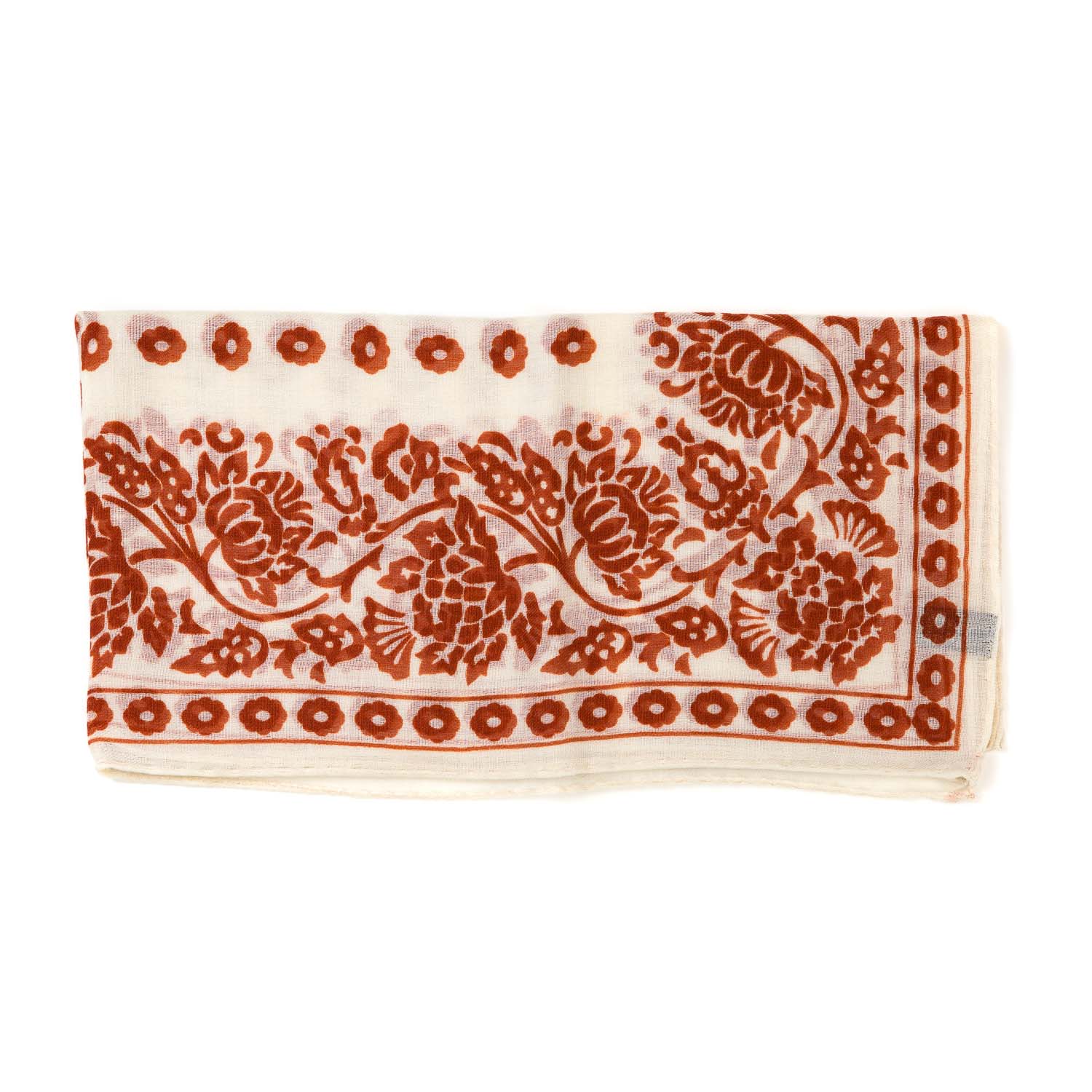


Anderson & Sheppard
There are tailors on Savile Row who build suits like cathedrals: with shoulder padding as a vault, with construction as a statement, with structure as power. And there is Anderson & Sheppard. The house that has been proving since 1906 that the greatest elegance is the one you can't see. Whose suit you wear without wearing it. Whose jacket stays on your back when you dance.
Anderson & Sheppard: A Swede, a Dutchman and a revolution
To understand Anderson & Sheppard, you have to understand Frederick Scholte. Scholte was Dutch, worked in London at the beginning of the 20th century and had a conviction that earned him the reputation of a renegade on Savile Row: that the English tailored suit was wrong. Not wrong in the artisanal sense - the quality was undeniable - but wrong in its basic premise. The Victorian cut, characterized by military austerity, had conceived of the wearer's body as a problem to be disciplined: broad shoulder pads, a constructed chest, a drawn-in waist. The suit stood, even when the wearer was sitting.
Scholte thought the opposite. He cut his jackets with excess through the chest and upper back - so that the fabric was not stretched over the body, but fell from the shoulders. He deepened the sleeve heads and reduced the armholes, which sounds paradoxical at first: But the result was that the arm could move freely while the torso of the jacket remained in place. The wearer moved; the jacket followed without tearing or pulling. Scholte called it nothing. The world called it the English Drape.
The young Swedish tailor Per Anderson worked for Scholte, learning and refining. In 1906, together with the trouser tailor Sydney Horatio Sheppard, he founded the house at number 30 Savile Row. And thus, ironically, became an institution in a street that initially regarded him as an outsider. Scholte and Anderson were initially seen as renegades of Savile Row tailoring - their soft, flowing style was at odds with the establishment and its tradition of highly structured military tailoring.
Their salvation, or rather their legitimization, came from the highest level. In 1919, Frederick Scholte attracted the Prince of Wales as a client - the future Duke of Windsor. The Prince, known for his keen sense of dress, had a word for what he appreciated in his tailor: Dress Soft. Free movement. Scholte found in him a sartorial kindred spirit - a man who was fed up with the stiffness of tailcoats and military dress and demanded clothes he could breathe in. The fact that Scholte himself avoided curious customers and refused recommendations played into Per Anderson's hands: as Scholte had little interest in meeting new customers - not even from the royal circle - society turned to Per Anderson instead. The rest is history. And a cut that has remained unchanged to this day.
Fred Astaire and the sample that knew no corset
If you ask connoisseurs of tailoring which anecdote most accurately describes Anderson & Sheppard, most will tell you the same one. Fred Astaire, the most elegant dancer of the 20th century, was a regular customer of the house from 1923. He didn't visit the Savile Row premises like other customers - he tested them. According to Savile Row lore, Astaire danced through the fitting room of the atelier and observed in the surrounding mirrors exactly how the suit reacted to every step, every turn, every jump. If the collar of his jacket was not flush with the collar of his shirt, he allegedly did not accept the piece.
This is not a sentimental story. It is a functional description. The high sleeve cut of the Anderson & Sheppard cut allows the arm to rotate freely while the jacket stays in place - you don't tug it around your body as you move. Astaire didn't choose the house first for aesthetic reasons, but for practical ones: He needed a suit that danced with him. What he got was both.
Noel Coward, Charlie Chaplin, Rudolph Valentino, Gary Cooper, Cole Porter, George and Ira Gershwin, Laurence Olivier, Cary Grant, Pablo Picasso - the list of those who found their way into the house through recommendations from friends reads like a register of early 20th century style. You couldn't just walk into Anderson & Sheppard. You needed a recommendation from an existing customer - a kind of guarantee that ensured the newcomer could pay his bills. So Noel Coward vouched for Laurence Olivier; Douglas Fairbanks Jr. for Marlene Dietrich, who was one of the few women accepted as a client.
The anatomy of the English drape: what makes the cut
The term drape is precisely defined in tailoring. It describes how a jacket hangs from the shoulders - the degree to which the fabric flows around the wearer's body without constricting it. Scholte manipulated several variables simultaneously to achieve this result. He started with softer shoulders - often just a single layer of padding with some padding that degrades over time. The coat cut falls from the shoulders into a full chest and finds a subtly narrower point at the waist. As head cutter John Hitchcock puts it, "It creates that classic Atlas silhouette."
The four features of the Anderson & Sheppard drape are: an unstructured shoulder with minimal padding for a more natural shoulder line; a high sleeve neckline for greater mobility; a flowing silhouette through the bust that provides comfort while retaining shape; and an emphasis on natural movement, where the fabric follows the contours of the wearer rather than restricting them.
What sounds technical in theory results in something astonishing in practice: a suit that dresses the wearer in perfect, casual elegance - without ever giving the impression that he has put any thought into his clothes. Charles Bryant, a former managing director of the house, summed up the style in one sentence: for men who want to look right without giving the impression that they have studied their clothes. It's the opposite of effort. It is their disappearance.
Today, it's mainly merino wool and lightweight canvases that bring the drape cut to its full effect. Because merino wool is so soft, it drapes perfectly. Its up-twisted yarn acts like a feather - it has a natural bounce that supports the cut. The canvas, the layer between the lining and the outer fabric, is deliberately kept light by Anderson & Sheppard - a further step away from construction and towards nature.
27 measurements, one suit - the bespoke process
An Anderson & Sheppard suit doesn't start with the fabric or with a conversation about style. It starts with the body. Head cutter and master tailor Danny Hall and his team typically take 27 measurements and add notes about posture and physical asymmetries. Everything is done by hand. Everyone is asymmetrical - one shoulder higher than the other, one arm longer, one hip slightly twisted. The Bespoke process is essentially the task of reading these asymmetries and translating them into the pattern without making them visible.
Each customer's pattern is kept in-house. The display of books of each client's measurements in the store, as well as the familiar faces of the house staff, offer reassuring reminders not only of Anderson & Sheppard's illustrious past, but also of its vibrant present. Some of these patterns are decades old. King Charles married Camilla Parker Bowles in a thirteen-year-old Anderson & Sheppard cutaway. That says everything about the durability of a well-made suit - and about the relationship between tailor and customer.
Anda Rowland and the house in the 21st century
The story of Anderson & Sheppard would be incomplete without the woman who saved it - even if she would probably reject the word rescue. Roland "Tiny" Rowland, British entrepreneur and chief executive of Lonrho, had become a client of Anderson & Sheppard in the 1950s. He appreciated the lightness of movement and the discreet elegance of the cut. At the end of the 1970s, he invested in the company, first as a silent partner, then as the main owner. After his death in 1998, the Rowland family held 80 percent of the company, with the rest held by the tailors and managers.
Anda Rowland was six years old when she visited the house for the first time, accompanied by her father. Even then, she felt that Savile Row was intimidating: esoteric, inaccessible to all but the initiated. When she left her job at Parfums Christian Dior in Paris in 2004 and returned to London, she had a clear agenda: she wanted to bring the best foundations of the house - craftsmanship, quality and a dedication to mobility and soft drape - into the 21st century.
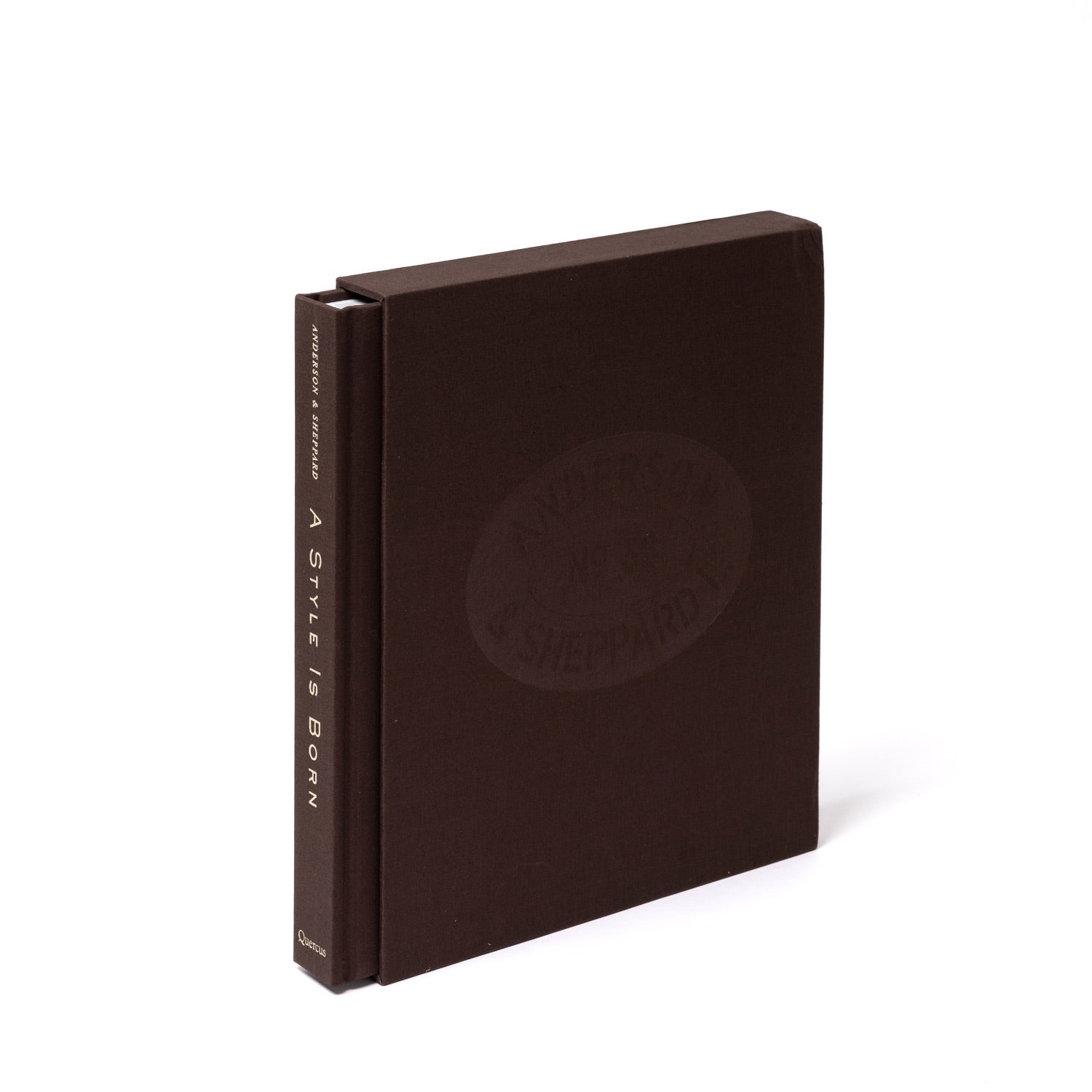
What followed was not modernization in the sense of watering down, but in the sense of opening up. In 2005, Anderson & Sheppard moved from Savile Row to new premises at 32 Old Burlington Street - just 176 yards from the previous location. The open design of the new space allowed customers to walk straight into the cutting room and watch their clothes being cut. Anyone who has ever experienced Savile Row as a fortress will understand what that means.
With the help of Parisian design agency Love, Rowland redesigned the store: dark parquet floors, sculpted ceilings, sketches of hunting dogs on the walls, a marble fireplace. An old-fashioned, club-like feel. And then, in 2012, the second opening: the Anderson & Sheppard Haberdashery in Clifford Street, at the end of Savile Row. A different concept, a different tone.
The Anderson & Sheppard Haberdashery: the house beyond the suit
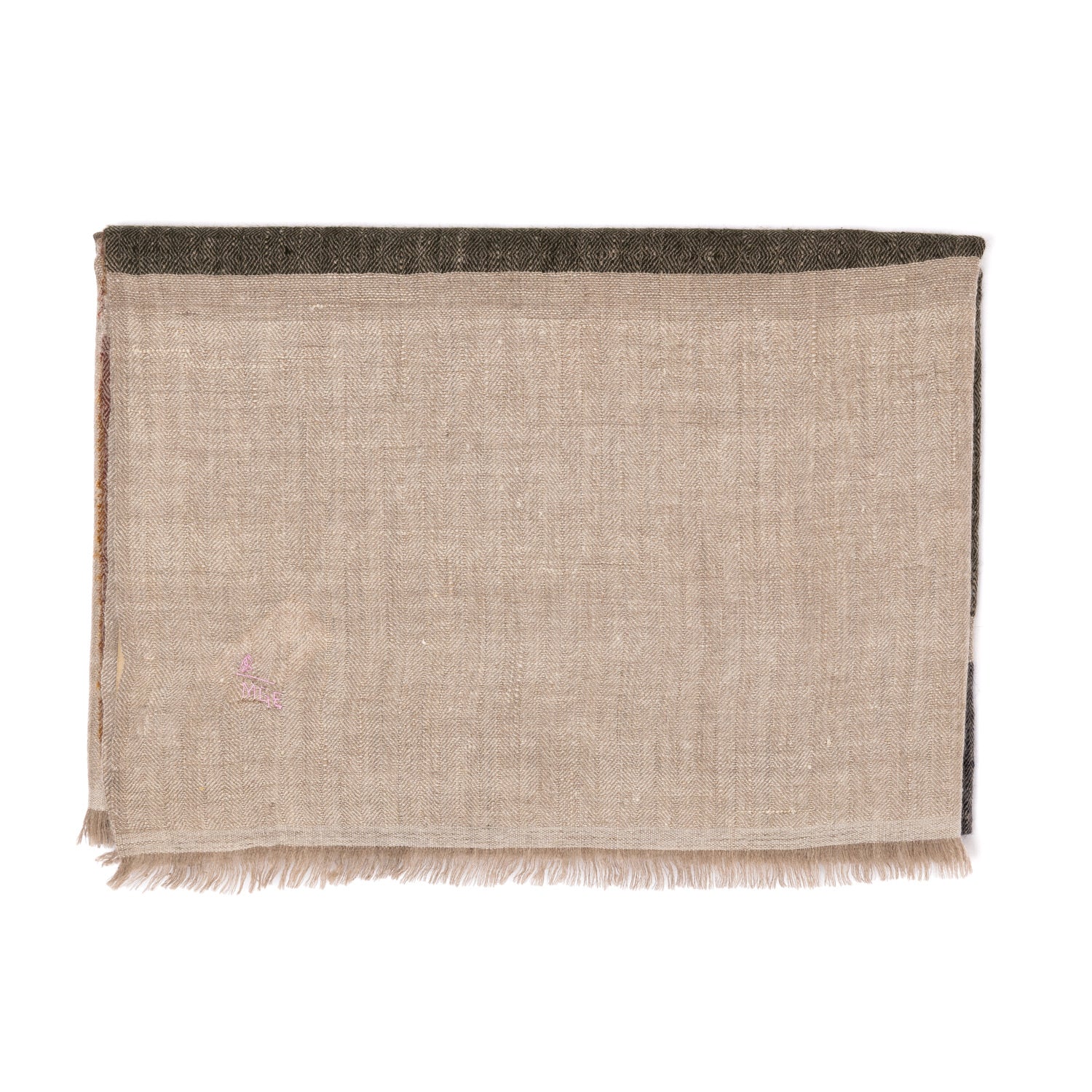
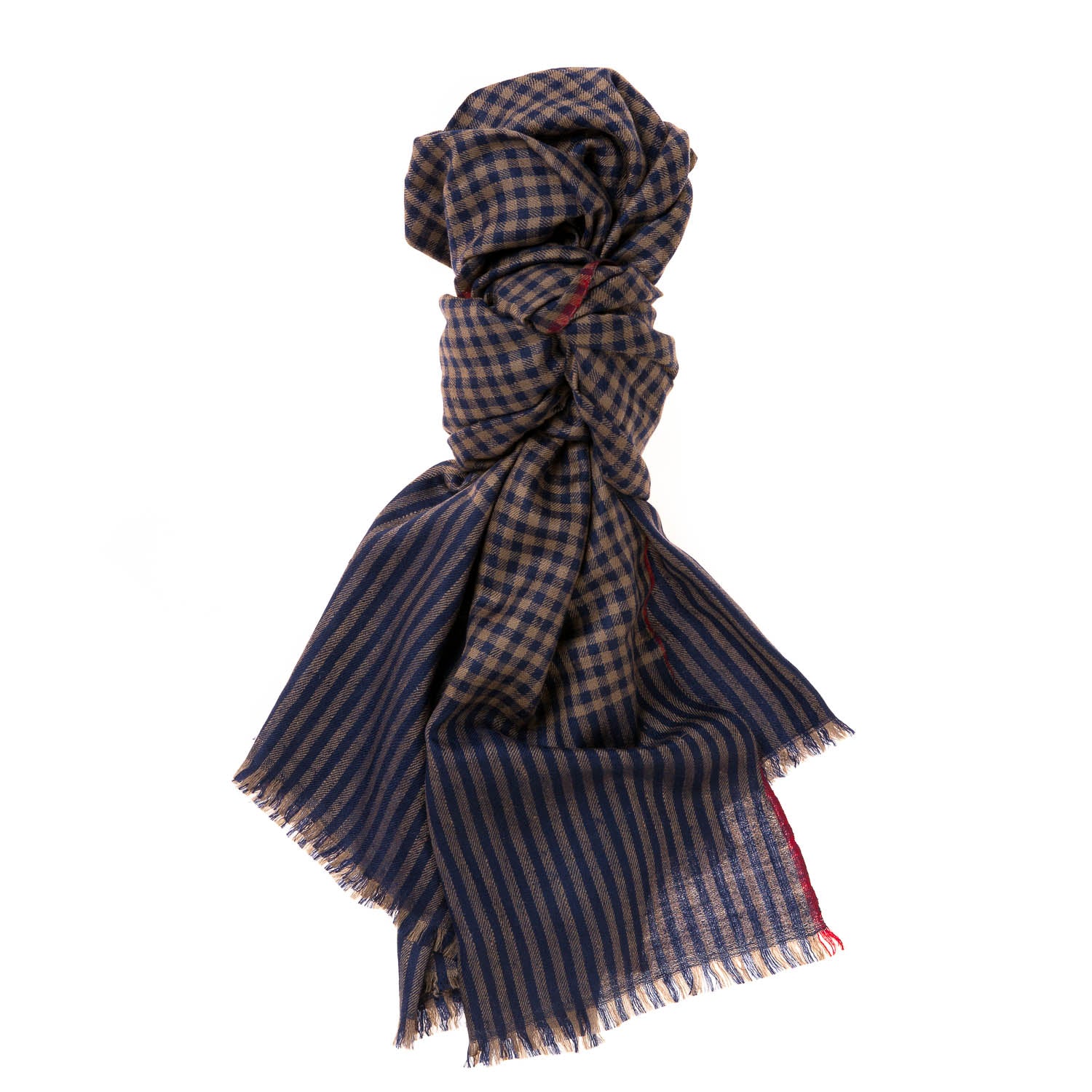
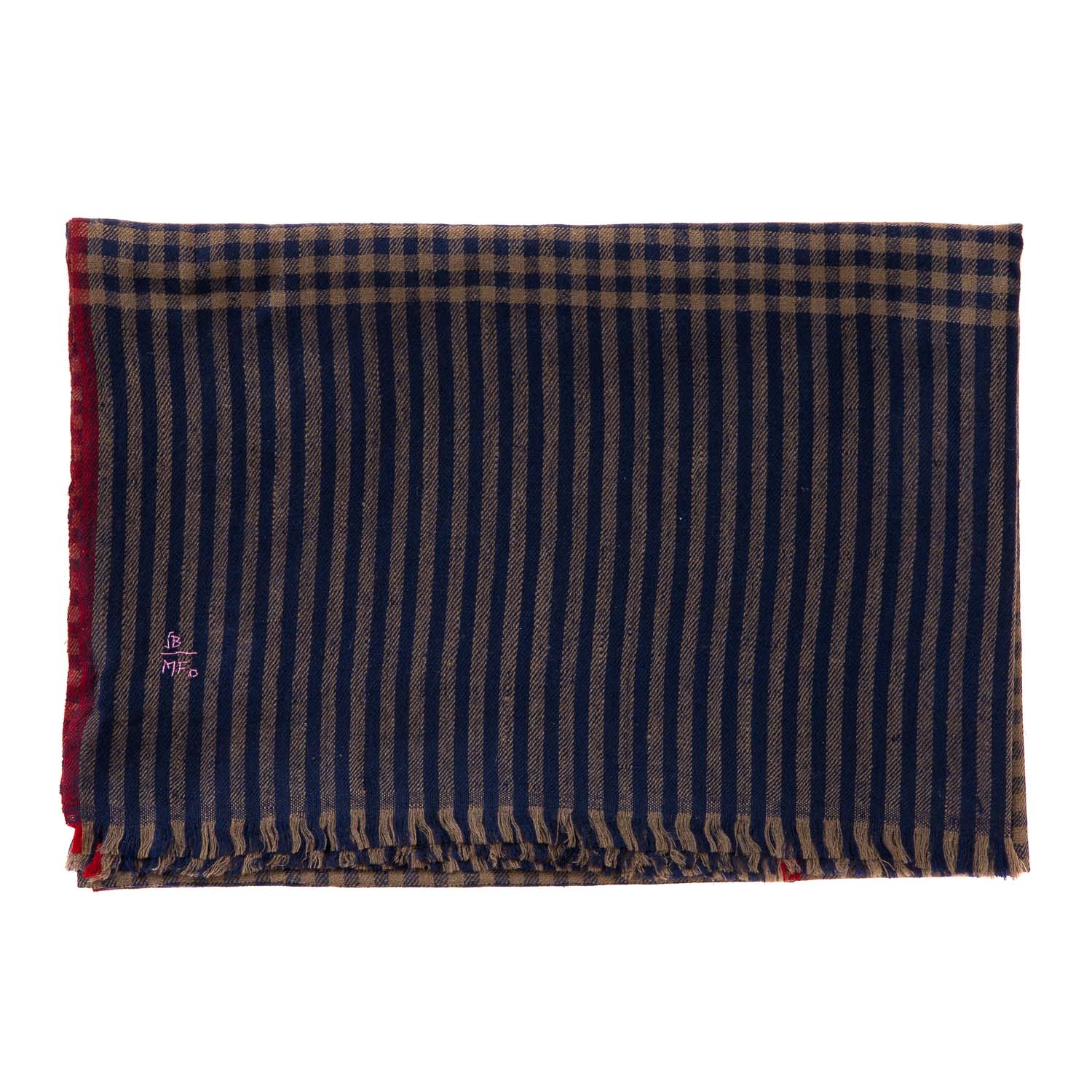
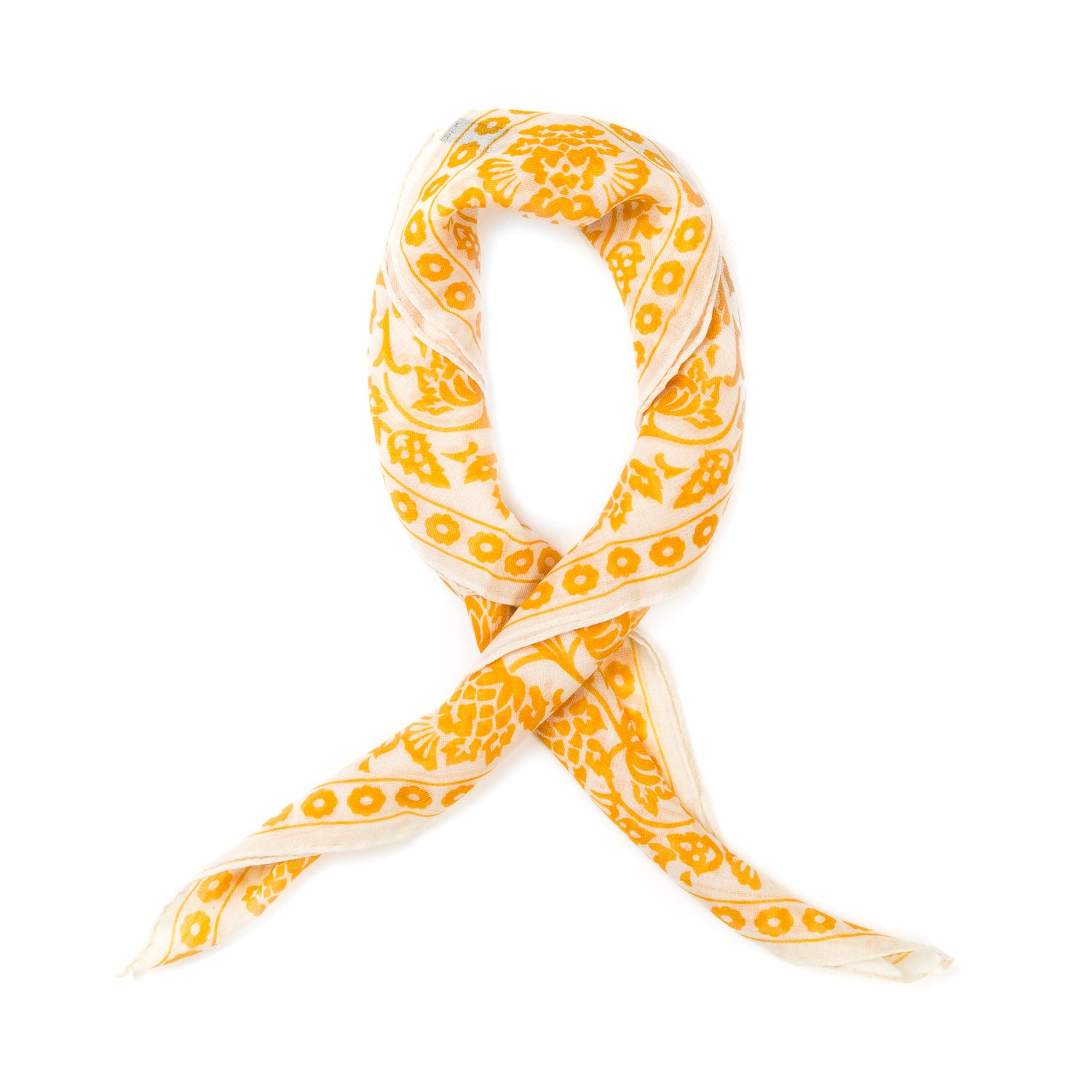
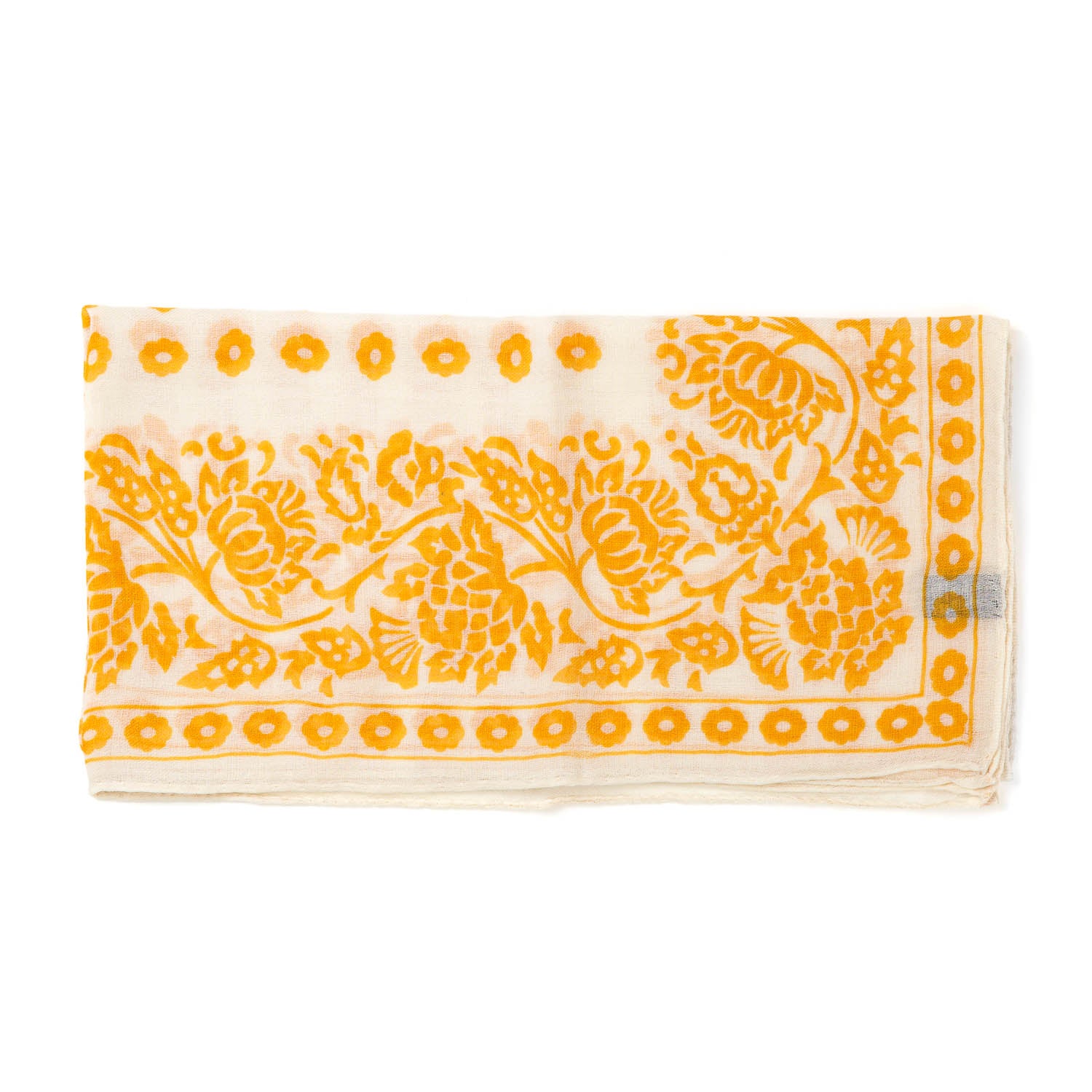
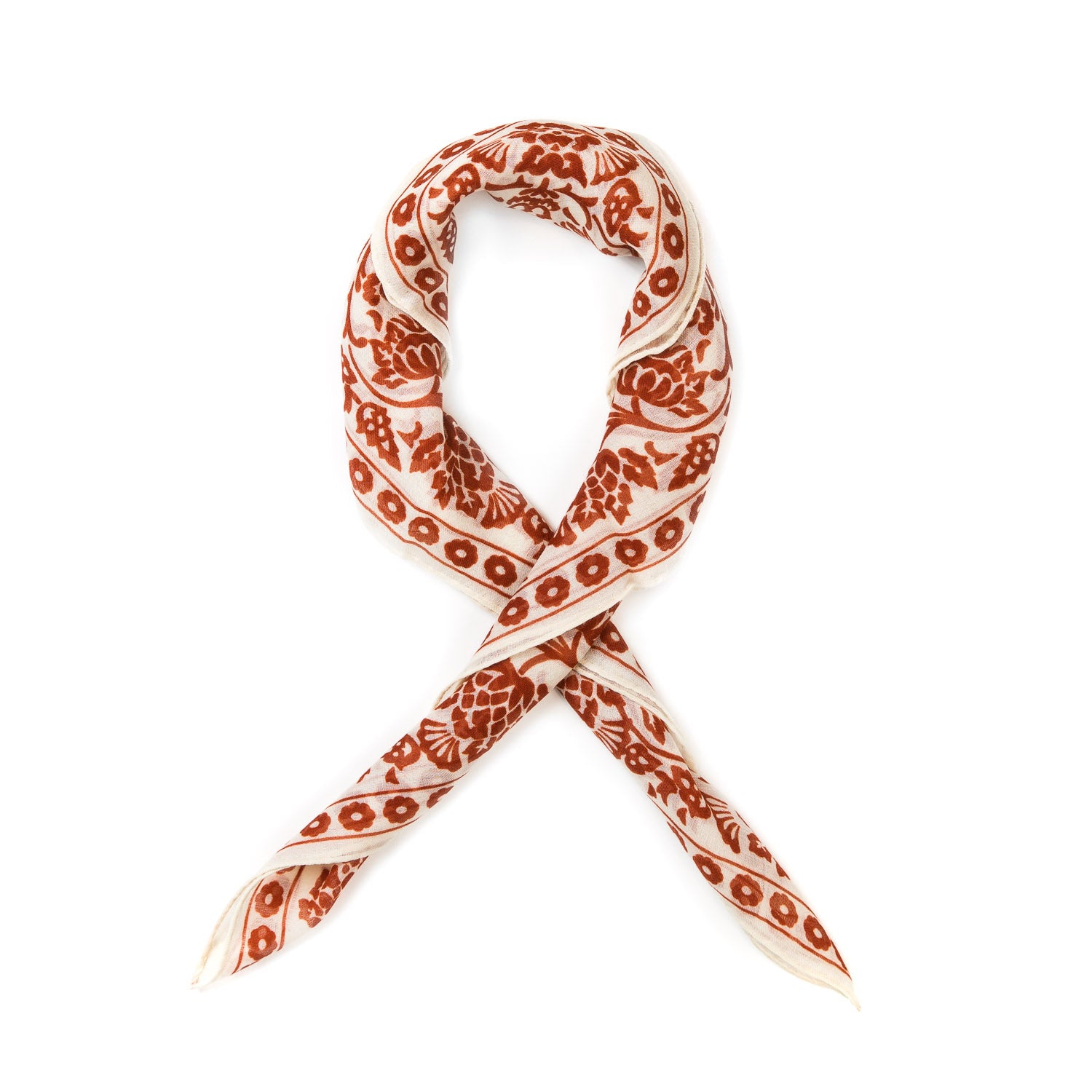
The Anderson & Sheppard Hab erdashery on Clifford Street is the result of a simple observation. Anda Rowland realized that customers were not finding good knitwear, no pants for the boat or the garden, no clothes for the summer. The Haberdashery fills this gap: with ready-to-wear and made-to-measure clothing in an environment that feels less like a bespoke atelier and more like the salon of a well-dressed friend. Cashmere knitwear, scarves, socks, shirts, pants in twelve styles - developed by the Anderson & Sheppard tailoring team, with the same proportions and logic as the bespoke pieces, but without the process and price of a made-to-measure suit.
Creative Director Audie Charles, who works out of the Haberdashery, is the go-to place for customers who regularly drop in - not necessarily to buy, but to talk, discover, immerse themselves. The Haberdashery is also the place where a new generation of customers first make contact with the house: younger people who come in to buy a scarf, a cashmere sweater or a pair of socks - and who, Rowland says, will hopefully become future customers.
What Anderson & Sheppard shows in the Haberdashery is the consequence of an attitude: that the suit is not the end, but a means. That quality does not need an occasion. Clothes for royal tours, beach weddings in Sicily, ringside seats at world championship boxing matches, evenings in the Hemingway Bar in Paris - Anderson & Sheppard makes clothes for going out. For life.
Anderson & Sheppard at Michael Jondral: Hanover meets Old Burlington Street
Michael Jondral runs a store in Hanover that follows the same principles as Anderson & Sheppard in London: quality as a starting point, not as an argument. Craftsmanship as a matter of course, not as marketing. And a conviction that the well-dressed man does not have to be a fashion enthusiast - he just has to know what he wants and be prepared to pay for it.
The decision to include Anderson & Sheppard's Haberdashery accessories in the range follows the same logic as the inclusion of Edward Green or Carthusia: there is no better alternative. If you buy a scarf that is woven like the fabrics from which a duke had his suit cut, you are not buying an accessory. They are buying an attitude. The materials of the Haberdashery - cashmere, shetlands, lambswools - are the same as those used in the Bespoke ateliers. The proportions, the cuts, the colors bear the same signature as the suits in Old Burlington Street.
At Michael Jondral, the Anderson & Sheppard pieces are available online and in the store in Hanover. For customers who don't travel to London - or those who do and know they can find the same standard closer to home.
Frequently asked questions about Anderson & Sheppard
How long has Anderson & Sheppard been around?
Anderson & Sheppard was founded in London in 1906 by the Swedish tailor Per Anderson, initially in the premises of 13, later at number 30 Savile Row. Per Anderson had previously worked for Frederick Scholte, the Dutch tailor who developed the English Drape Cut. Today, the Bespoke atelier is located at 32 Old Burlington Street, just a few steps away from Savile Row.
What is the English Drape Cut?
The English Drape Cut is a cut that accompanies, rather than structures, the wearer's body. It is characterized by an unpadded, naturally falling shoulder, a high sleeve cut for unrestricted movement, excess width through the chest and back and a fabric that hangs rather than being stretched. The result is a suit that you forget you're wearing - the ultimate expression of elegance.
Who runs Anderson & Sheppard today?
Anda Rowland, daughter of British entrepreneur Roland "Tiny" Rowland, has been running the company since 2004. Her father had acquired Anderson & Sheppard at the end of the 1970s; after his death in 1998, Anda Rowland took over the operational management in 2004. The Rowland family owns 80 percent of the company, the rest is held by tailors and managers.
What is Anderson & Sheppard Haberdashery?
Anderson & Sheppard Haberdashery at 17 Clifford Street in London was opened by Anda Rowland in 2012. It offers ready-to-wear and bespoke clothing: cashmere knitwear, shirts, pants, scarves, accessories - all designed by the Anderson & Sheppard tailoring team and using the same materials and proportions as the house's bespoke work. The Haberdashery is also the entry point for customers who want to get to know the house without starting the Bespoke process.
Can I buy Anderson & Sheppard in Germany?
Yes, Michael Jondral in Hanover stocks a curated selection of Anderson & Sheppard Haberdashery products - both in-store and online. The range includes knitwear, accessories and selected textiles from the London-based company.
Who were Anderson & Sheppard's most famous customers?
Anderson & Sheppard 's client list is one of the longest registers of 20th century style: Fred Astaire, Charlie Chaplin, Rudolph Valentino, Gary Cooper, Cary Grant, Cole Porter, George and Ira Gershwin, Laurence Olivier, Pablo Picasso, the Duke of Windsor, Marlene Dietrich, Cecil Beaton, Duke Ellington, Bryan Ferry, Tom Ford and King Charles III - to name but a few. Most of them came through recommendations from existing customers.